Introduction
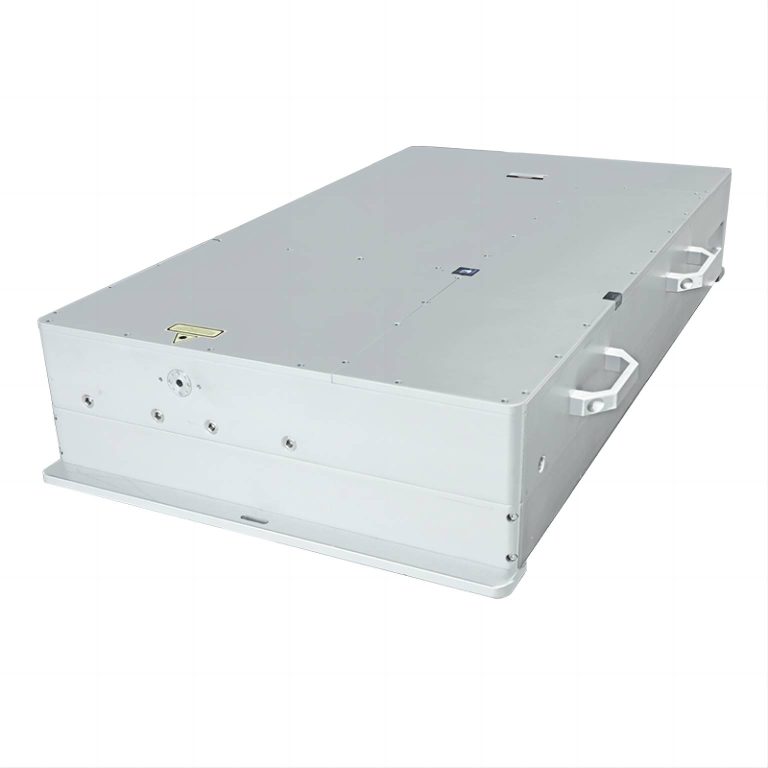
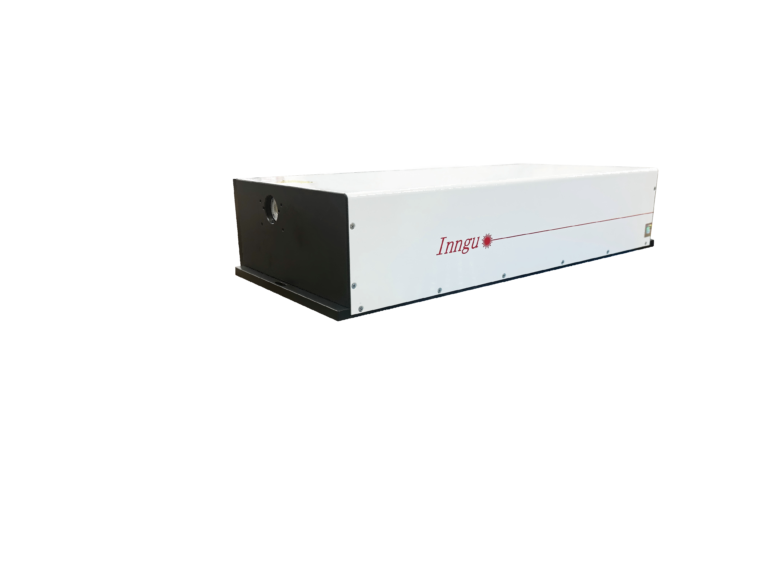
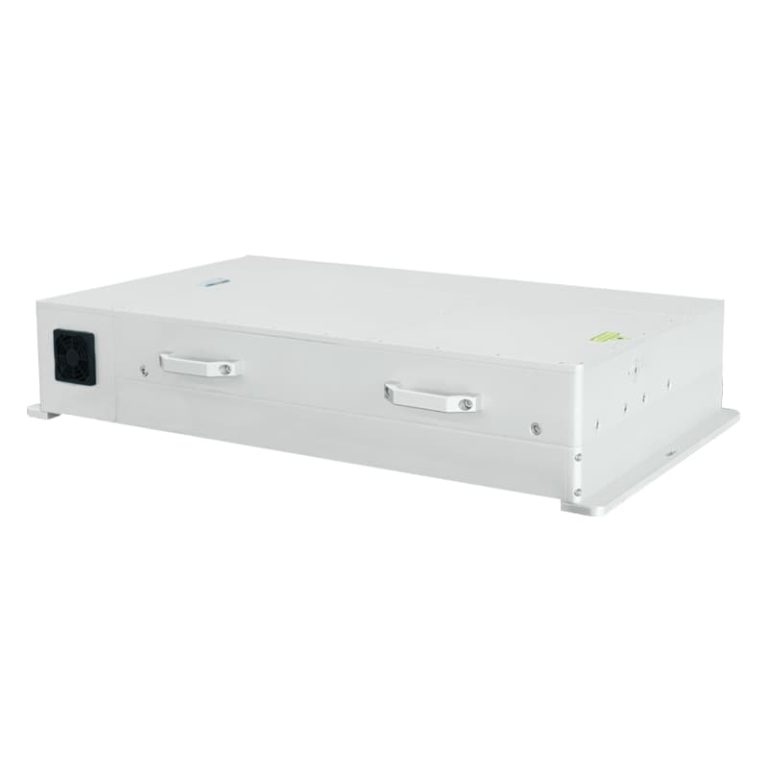
In the realm of laser technology, picosecond and nanosecond lasers stand out as two powerful tools for a wide range of applications, from material processing to medical treatments. Despite their similarities in operation and function, these lasers differ significantly in their pulse durations, energy delivery, and applications. This article provides a comprehensive comparison between picosecond and nanosecond lasers, exploring their principles of operation, applications, advantages, and limitations.
Understanding Picosecond and Nanosecond Lasers
Pico lasers and nanosecond lasers are both pulsed lasers that emit light in extremely short durations. The main distinction between them lies in the duration of their pulses:
- Pico Lasers: Picosecond lasers emit pulses with durations typically on the order of picoseconds (10^-12 seconds), ranging from a few picoseconds to tens of picoseconds.
- Nanosecond Lasers: Nanosecond lasers emit pulses with durations typically on the order of nanoseconds (10^-9 seconds), ranging from a few nanoseconds to hundreds of nanoseconds.
Principles of Operation
The operation of pico and nanosecond lasers relies on the principles of optical amplification by stimulated emission of radiation (laser). Both types of lasers utilize gain media, such as solid-state crystals or optical fibers, which are excited by external energy sources, such as flash lamps or semiconductor diodes. When the gain medium reaches a population inversion state, stimulated emission occurs, producing coherent laser light.
In pico lasers, the duration of the pulse is determined by the cavity length and mode-locking techniques, such as active or passive mode-locking. These techniques ensure that the laser emits ultrashort pulses with durations in the picosecond range.
In nanosecond lasers, the pulse duration is typically longer due to the relaxation time of the gain medium and the cavity design. While nanosecond lasers can emit shorter pulses than picosecond lasers, they are generally characterized by longer pulse durations and lower peak powers.
Applications
Picosecond and nanosecond lasers find diverse applications across various industries:
- Material Processing: Both types of lasers are used for cutting, drilling, marking, and surface modification of materials such as metals, ceramics, polymers, and semiconductors. Pico lasers excel in micromachining applications requiring high precision and minimal thermal damage, while nanosecond lasers are suitable for bulk material removal and rapid processing of larger areas.
- Medical Treatments: Pico lasers are employed in dermatology for tattoo removal, skin rejuvenation, and the treatment of pigmented lesions, owing to their ability to selectively target chromophores in the skin with minimal collateral damage. Nanosecond lasers are used for various medical applications, including ophthalmology, dentistry, and surgery, where precise tissue ablation and coagulation are required.
- Scientific Research: Both picosecond and nanosecond lasers are used in scientific research for spectroscopy, microscopy, and time-resolved experiments. Pico lasers are particularly valuable for studying ultrafast phenomena such as chemical reactions, molecular dynamics, and semiconductor physics, while nanosecond lasers are suitable for broader time-scale studies and applications requiring high pulse energies.
Advantages
Advantages of Lasers:
- High Precision: Pico lasers enable precise material processing with minimal thermal damage and sub-micron resolution, making them ideal for microstructuring and delicate surface modifications.
- Minimal Heat-Affected Zone: The ultrashort pulse duration of picosecond lasers minimizes the heat-affected zone around the processing area, preserving the integrity and mechanical properties of the material.
- Selective Ablation: Pico lasers can selectively remove target materials while leaving surrounding areas unaffected, allowing for precise patterning and engraving.
Advantages of Nanosecond Lasers:
- High Pulse Energy: Nanosecond lasers can deliver higher pulse energies than pico lasers, enabling rapid material removal and processing of large areas.
- Lower Cost: Nanosecond lasers are generally more cost-effective than pico lasers, making them suitable for high-volume manufacturing and industrial applications.
- Versatility: Nanosecond lasers are versatile tools capable of handling a wide range of materials and applications, from surface cleaning and welding to laser peening and ablation.
Emerging Trends and Future Directions
As technology advances and new challenges arise, both picosecond and nanosecond lasers continue to evolve to meet the demands of various industries. Several emerging trends and future directions are shaping the development and application of these laser technologies:
- Hybrid Laser Systems: There is a growing trend towards integrating picosecond and nanosecond lasers into hybrid laser systems, combining the advantages of both technologies. These hybrid systems offer flexibility and versatility, allowing users to switch between ultrafast and high-energy processing modes based on specific requirements and applications.
- Ultrafast Imaging and Spectroscopy: With the increasing availability of ultrafast lasers, such as picosecond and femtosecond lasers, in scientific research labs, there is a growing interest in ultrafast imaging and spectroscopy techniques. These techniques enable researchers to capture ultrafast dynamics and phenomena with unprecedented temporal resolution, providing insights into fundamental processes in physics, chemistry, and biology.
- Precision Medicine: In the field of medicine, there is a growing emphasis on precision medicine approaches that tailor treatments to individual patients based on their genetic makeup, lifestyle, and disease characteristics. Picosecond and nanosecond lasers play a crucial role in precision medicine applications, such as targeted drug delivery, tissue engineering, and regenerative medicine, where precise manipulation and modification of biological materials are required.
- Additive Manufacturing: Additive manufacturing, or 3D printing, is another area where picosecond and nanosecond lasers are making significant contributions. These lasers are used for selective laser sintering (SLS), stereolithography (SLA), and direct metal deposition (DMD) processes, enabling the fabrication of complex geometries and functional prototypes with high resolution and mechanical properties.
- Green Laser Technology: Green laser technology, which operates in the green wavelength range (typically around 532 nanometers), is gaining traction as an alternative to traditional infrared lasers. Green picosecond and nanosecond lasers offer advantages such as improved visibility, reduced thermal effects, and enhanced material processing capabilities, making them attractive for applications in microelectronics, biomedicine, and consumer electronics.
Conclusion
In conclusion, picosecond and nanosecond lasers each offer unique capabilities and advantages for a wide range of applications in manufacturing, medicine, and scientific research. While pico lasers excel in high-precision microstructuring and surface modification, nanosecond lasers are preferred for rapid material removal and bulk processing tasks. By understanding the differences between these two types of lasers and their respective strengths and limitations, manufacturers, researchers, and medical professionals can select the most appropriate laser technology for their specific needs and applications. As laser technology continues to evolve, the synergy between picosecond and nanosecond lasers will drive innovation and advancements in various fields, paving the way for new discoveries, treatments, and manufacturing processes.